
How to Get Gabon tourist eVisa
In June 2015, Gabon’s government introduced the electronic visa for all citizens of the world who wish to visit this country. Through the electronic system, applicants can apply for the Gabon Tourist eVisa, from anywhere.
From the visa application to the receipt of the documents, everything can be done online.

Gabon visa
Step to Follow for Gabon Visa Online Application
Obtaining a visa for Gabon has become very simple due to the electronic system. The online application process can be done in 3 easy steps.
They are as follows:
- Complete the application form: The first phase of the procedure is to complete the application form. The form can be accessed from the licensed website. After the form is submitted, all the data of the right information must be entered. However, you can fill in the form digitally on certain websites.
- Submitting documents: After completing the form, you will be asked to submit the documents. Since the process is online, you can upload scanned copies of the documents. However, the documents you upload must be clearly scanned.
- Make the payment: Lastly, you must pay the visa fee. Payment can be made online with the use of any valid credit or debit card. Once the application is processed, you will receive your eVisa for Gabon in a few days via email.
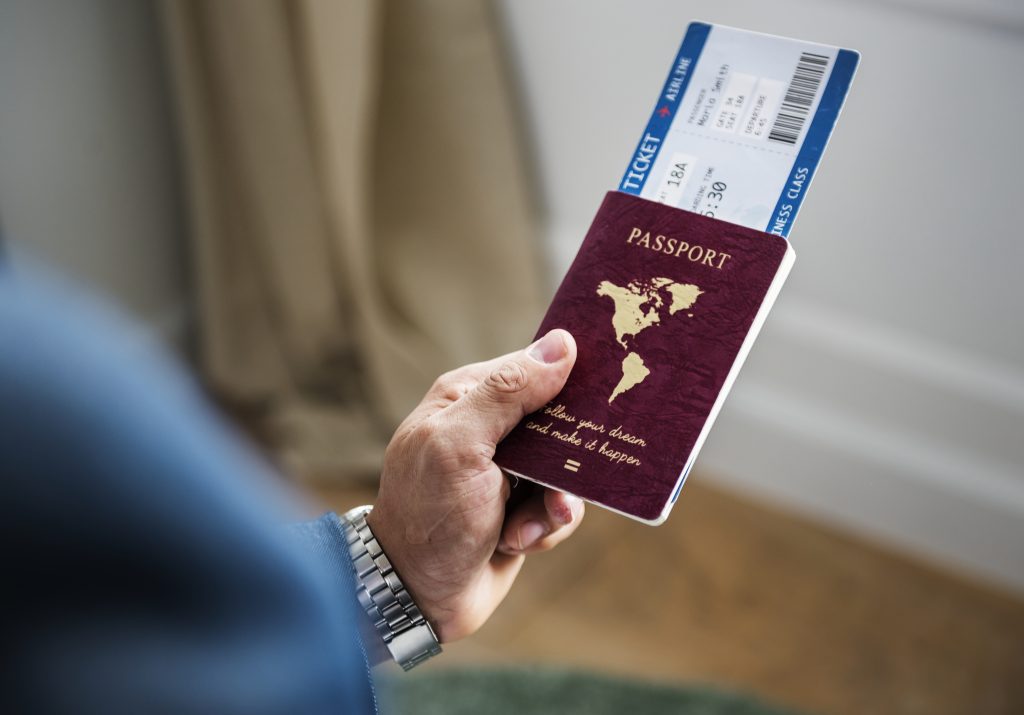
Visa to Gabon
Instructions for Gabon eVisa Applicants
- Regular passport: The tourist visa on arrival will be provided only to people with a regular passport. The visa is not applicable for the one with a diplomatic passport or another type of official passport. To obtain an electronic tourist visa (eVisa), you must get a regular passport from the respective country’s officials.
- Point of Entry: The tourist eVisa allows travelers to visit Gabon only by air via Leon MBA International Airport in Libreville.
- Eligible countries: All countries and territories around the world are eligible to apply for Tourist eVisa. However, citizens of South Africa, Mauritius, and Morocco cannot apply for the same.
- Carry passport: Travelers can still take with them their passport. Upon arrival at Gabon International Airport, the immigration authorities present must see your passport and visa. Although the visa is sent to applicants’ email IDs, you have to bring a hard copy of it while on the flight.
- Although eVisa is the most essential and required document for travel, it does not automatically make travelers eligible for entry into Gabon’s national territory. If the airport’s immigration officials see something contrary to national security and priorities, then the one can be arrested.

Visa for Gabon
Documents required to apply for Gabon visa online
- The application form: The first phase in the procedure is to complete the application form. The form can be accessed from the licensed website. After the form is submitted, all the data of the right information must be entered. However, you can fill in the form digitally on certain websites.
- Scanned passport: Applicants with a current standard passport with a minimum validity of 6 months will get the visa. For a stay of up to 30 days, a single entry visitor visa is legal for tourists. Applicants must send a scanned copy of a request form of their passport.
- Health certificate: before entering Gabon, tourists should be screened for yellow fever. They would sometimes need a declaration stating they have no illness and no deadly disease. The aim is to ensure that travelers don’t have trouble when they get sick while visiting, without anyone taking care of them. Even travelers for a business have to request a medical certificate.